Festival and Feast
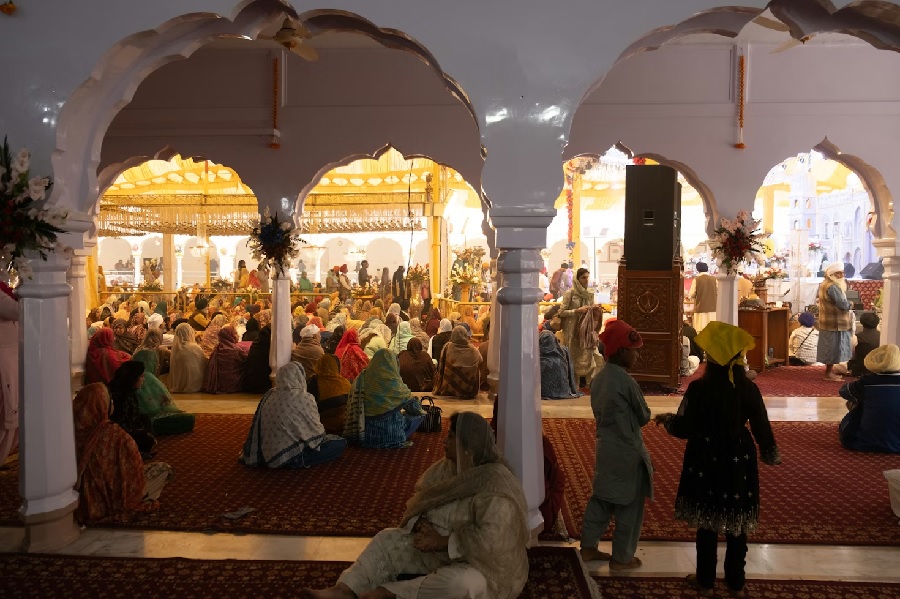
Festival is an event usually staged by a local community, which centers on some unique aspect of that community. Among many religions, a feast or festival is a set of celebrations in honor of God or gods. A feast and a festival are historically compatible. However, the term “feast” has also entered common secular phrasing as a synonym for any large or elaborate meal. When used as in the meaning of a festival, most often refers to a religious festival rather than a film or art festival.
Types of Festival
Festivals of many types, serve to meet specific social needs and duties, as well as to provide entertainment. These times of celebration offer a sense of belonging for religious, social, or geographical groups. Modern festivals that focus on cultural or ethnic topics seek to inform members of their traditions. In past times, festivals were times when the elderly shared stories and transferred certain knowledge to the next generation. Historic feasts often provided a means for unity among families and for people to find mates. Select anniversaries have annual festivals to remember previous important occurrences.
Types of Festivals
There are numerous types of festivals in the world. Though many have religious origins, others involve seasonal change or have some cultural significance. Also certain institutions celebrate their own festival (often called “fests”) to mark some significant occasions in their history. These occasions could be the day these institutions were founded or any other event which they decide to commemorate periodically, usually annually.
Seasonal Festivals
Seasonal festivals are determined by the solar and the lunar calendars and by the cycle of the seasons. The changing of the season was celebrated because of its effect on food supply. Ancient Egyptians would celebrate the seasonal inundation caused by the Nile River, a form of irrigation, which provided fertile land for crops. In the Alps, in autumn the return of the cattle from the mountain pastures to the stables in the valley is celebrated as Almabtrieb. A recognized winter festival, the Chinese New Year, is set by the lunar calendar, and celebrated from the day of the second new moon after the winter solstice.
Festivals in Pakistan
Many types of festivals are being celebrated in Pakistan. Most commonly are religious festival are being celebrated muslims all over the world. These festivals also being celebrated in Pakistan with great enthusiasm and, national festivals are the festivals celebrated at national level like defance day, National Independence Day etc. and traditional festivals which are based on provincial level includes Lok Melas, Basant festivals etc..
RELIGIOUS:
Shab-e-Barat: This is Religious festival, which is being celebrated on 14th of Shaaban, the 8th Islamic month. Prayers, fireworks, exchange of sweet dishes and visits.
Eid-ul-Fitr: Another Religious festival is Eid-ul-Fitr which is being celebrated at end of fasting month on 1st of Shawwal, the 10th month of Islamic Calendar. Special prayer after sun-rise, exchange of sweet dishes, visits.
Eid-ul-Azha: Religious festival commemorating the great sacrifice offered by Prophet Abraham. Celebrated on 10 Zilhaj, 12th month of Islamic Calendar. Collective prayers after sun set, sacrifice of goats, sheep, cows or camels and distribution of meat among relatives, friends and poor.
Eid-e-Milad-un-Nabi: Birth Anniversary of Prophet Hazrat Mohammad (P.B.U.H). On 12th of Rabi-ul-Awwal – the 3rd month of Islamic Calendar.
National Festivals:
Pakistan Day: Commemorating the anniversary of Pakistan Resolution passed on March 23, 1940. Military parade is being held in all pour provinces and in the capital Islamabad.
Defense of Pakistan Day: Parades and exhibitions of military equipment are being arranged at Rawalpindi, Lahore, Peshawar, Quetta and Karachi. Visits to the war memorials. No national holiday is being observed except Armed Forces.
Air force Day: Display of latest aircraft of Pakistan Air force and air shows at Rawalpindi.
Birthday of Allama Muhammad Iqbal: Our National Poet Allama Muhammad Iqbal day was celebrated on 9 of November, national holiday is being observed throughout the country. Special programs are being arranged in schools, colleges and universities level to pay tribute to great national poet.
Traditional Festivals
Bassant
With the advent of spring Basant Festival is celebrated with ceremony and show in mid February every year in Lahore. In other words this is the spring festival. Alleging that kite flying is a Hindu event is also sheer ignorance. The sport originated in China about 5000 years ago, when Hinduism was in nonexistent. Why single out kite-flying then, especially when it is a source of joy for the old and the young men and women. The simple reason is that Hindu at Basant Festival fly kites for enjoying Basant. With times Muslims who were living together with Hindus in the sub-continent also join them in kite-flying. Since then Muslims are taking participation in just kite-flying at the time of Basant connotations it as Pala Urant. Now a day’s people of Lahore enjoy it by kite flying competition and by visiting the shrine of Saint Madho Lal Hussein, where they assemble to pay their benediction.
Lahore is becoming the main focal point for the celebration of this festival in Pakistan. People traditionally fly kites on the roofs of their buildings. It is commonly observed that rest houses, hotels and house of relatives of the participants are fully packed with guests from all over the country. Moreover, some five star hotels also arrange this function on their roof top for foreigners and other high class gentry. They also arrange variety of dishes with musical concert. Sometimes Laborites on this occasion become emotional and in this state create law and order problems for the administration. Some of them use metal thread for kite-flying. Such a deed often imposes, besides life threat, a serious problem for WAPDA when the thread touches the live wires. Inspite of the fact Basant Festival which has no links with the Muslim culture is becoming very popular and being celebrated in Lahore regularly every year with zeal and fervent.
Sibi Festival: (Last week of February): This festival is being held in the last week of February at Sibi (Baluchistan). Traditional sports, handicrafts exhibition, folk music and dances.
Sindh Horse & Cattle Show: This festival is being organized at Jacobabad (Sindh). In the last week of February. In which traditional handicrafts, sports, exhibition, folk music and dances are being staged.
Jashan-e-Larkana: Jashan-e-Larkana festival is being celebrated in the last week of February at Larkana (Sindh). Traditional sports, exhibition of handicrafts, folk music and dances.
Naurozz: Nauroze festival is being celebrated from 21 of March to 23 of March only in Gilgit, Hunza, Skardu and Chitral. Polo, foot-ball, volley-ball and hockey matches, folk dances and music.
Mela CHIRAGHAN: It is also called Festival of lamps held in the last week of March outside the Shalmir Gardans Lahore.
National Industrial Exhibition Islamabad: Exhibition and sale of Pakistan’s industrial products and handicraft item
National Industrial Exhibition Lahore: This exhibition Held in the 3rd week of November at Fortress Stadium, Lahore. Exhibition and sale of industrial products and handicrafts of Pakistan, this exhibition continuous for fifteen days.
National Horse & Cattle Show Lahore
National Horse and Cattle show starts in the 3rd week of November for five day at Fortress Stadium, Lahore. Cattle races, cattle dances, tent-pegging, tattoo show, folk music, dances, bands, cultural floats and folk games.
The show has been described as an eloquent expression of Pakistan’s heritage and an authentic account of its agricultural and industrial achievement’s. It is held in Lahore Fortress stadium at the end of February or at First week of March. The fortress stadium, the venue of the show is thronged by active participants, foreign visitors and peoples who watch the festival with great enthusiasm, vitality and composure. A large number of them are interested in watching and appreciating the best breeds of livestock. Many derive pleasure by watching other activities such as display parade of animals, dances by horses and camels, polo matches, tent pegging, dog shows and their races, variety show acts of stuntmen, mass display of military band, rhythmically physical exercise by the children. Tastefully decorated industrial floats and torch light tattoo shows. Additional attractions include a subtle interplay of lights to weave enticing patterns at night and breathe taking acts by foreign groups. The show began as a modest exhibition organized by the army to project the cattle wealth of the country in the early fifties. Today it is an international event to which come dignitaries from abroad and visitors and foreign tourists. The organizing committee comprises representatives of a number of agencies including army, rangers, LMC schools, the police, industrialists and the art councils.