
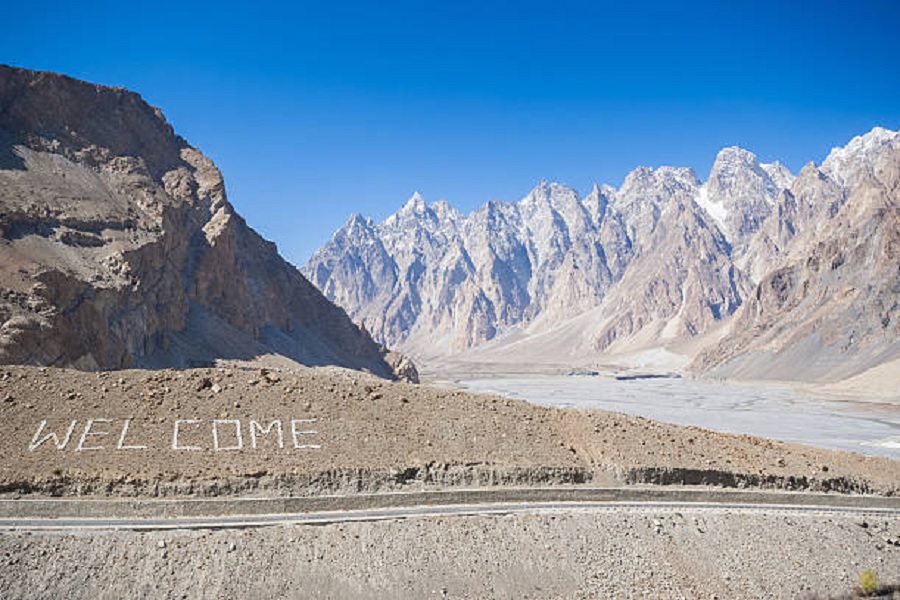
Balochistan, is a terrain of rugged valleys, saline lakes and vast desert wasteland. It is blessed with mineral resources, mainly in iron, coal, and oil and gas explorations. The country’s largest natural gas reservoir is located at Sui, discovered in 1952.Balochistan is famous for its fruits. Many varieties of fresh and dry fruits are grown in Quetta and its surrounding areas. Handicrafts of beautiful and intricate craftsmanship are produced in Balochistan; the most typical of the region are mirror work, embroidery, fine quality precious stones and marble work. The crafts of Balochistan are of good quality but are gradually dying.
Balochi Regional Music:
Balochi music includes many different forms. Popular instruments in Balochi music are the sarod, doneli, and benju. Of special note are Sepad, Shabtagi, Vazbad, Lullaby, and Zayirak, various melodies which are sung in rituals after the birth of a child, while lullabies are sung to infants and children.
Pashto Regional Music:
Pashto music is commonly found in the Federally Administered Tribal Areas of Pakistan. There is a long oral tradition of Pashto folk music, which includes genres such as the Tappa, Charbeta, Neemkai, Loba, Shaan and Badala. The Tappa is believed to be one of the oldest forms of Pashto poetry; it is comprised of two unequal meters, with the second longer than the first. Charbetta is the most popular form of poetry, and epic poem which focuses on heroic figures. The music is often sung at a fast tempo by two or more singers. Neemakai is type of folk song normally composed by Pashto women, expressing a range of issues from daily life. Loba is another form of Pashto folk song composed as a dramatic dialogue, often to tell romantic tales. Shaan is a celebratory song performed at occasion such as marriage and child birth. Although Badala is a type of Pashto folk music, it is normally sung by professional musicians. It is an epic poem set to composed music which is performed with instruments such harmonium, drums and tabla.
This article provides a fascinating, yet brief, overview of Balochistan and the Regional Music of the Baloch and Pashto people.
Geography and Landscape
The text accurately describes Balochistan as a land of rugged valleys, saline lakes, and vast desert wasteland. It is Pakistan’s largest province by area and is characterized by diverse and often harsh terrains, ranging from mountainous regions to arid plains.
Mineral Wealth
Balochistan is highlighted for being blessed with mineral resources.
-
Energy: The most crucial resource mentioned is the country’s largest natural gas reservoir at Sui, discovered in 1952. This discovery was pivotal for Pakistan’s energy sector. The province also holds reserves of oil and gas.
-
Solid Minerals: Other important mineral resources include iron and coal. The presence of precious stones and marble is also noted in the context of handicrafts.
Agriculture and Produce
The region is famous for its fruits, particularly in Quetta and its surrounding areas. Quetta is often referred to as the “Fruit Garden of Pakistan.”
-
Varieties: The area is known for many varieties of fresh and dry fruits, including apples, grapes, pomegranates, apricots, and almonds.
Handicrafts: A Dying Art
Balochistan has a rich tradition of producing handicrafts of beautiful and intricate craftsmanship.
-
Typical Crafts: These include mirror work, embroidery (especially on clothes, cushions, and bags), fine quality precious stones, and marble work.
-
Conservation Concern: The text makes a sobering observation that these crafts, though of good quality, are gradually dying, pointing to a need for preservation of this cultural heritage.
Balochi Regional Music
Balochi music encompasses various forms, often reflecting the nomadic and tribal life of the people.
Popular Instruments
The music relies on several traditional instruments:
-
Sarod: A stringed instrument, often played with a bow.
-
Doneli: A type of double-flute.
-
Benju: A stringed instrument that resembles a banjo or mandolin and is popular in coastal areas.
Melodies and Rituals
The text notes several specific melodies sung for ritualistic purposes:
-
Sepad, Shabtagi, Vazbad, and Zayirak: These are various melodies typically sung in rituals after the birth of a child.
-
Lullaby (Lullabies): These are melodies sung specifically to infants and children.
Pashto Regional Music
Pashto music, found commonly in areas historically known as the Federally Administered Tribal Areas (FATA) and Khyber Pakhtunkhwa (KPK), has a strong long oral tradition of folk music.
Pashto Folk Music Genres
The Pashto tradition includes several distinct poetic and musical genres:
| Genre | Description | Key Features |
| Tappa | Believed to be one of the oldest forms of Pashto poetry. | Comprised of two unequal meters; the second line is longer than the first. |
| Charbeta | The most popular form of poetry; an epic poem. | Focuses on heroic figures and is often sung at a fast tempo by two or more singers. |
| Neemkai | A type of folk song normally composed by Pashto women. | Expresses a range of issues from daily life. |
| Loba | A type of Pashto folk song composed as a dramatic dialogue. | Often used to tell romantic tales. |
| Shaan | A celebratory song. | Performed at occasions such as marriage and child birth. |
| Badala | A type of Pashto folk music normally sung by professional musicians. | An epic poem set to composed music. |
Instruments in Badala
The Badala genre is specifically noted to be performed with instruments such as:
-
Harmonium
-
Drums (likely including the Dhol or Tabla)
-
Tabla (a pair of small hand drums)