
Preface
With the beginning of the 21st century, the world entered a new political, economic and social era. After the end of the Cold War, it was widely believed that the world was moving towards a stable global system where democracy, a free-market economy and global cooperation would prevail. However, over time, these hopes weakened and the world became vulnerable to a new type of political division and ideological conflict known as “Political Polarization”.
Political polarization means the division of a society or global system into clear and intense groups on different ideological, political or economic grounds. This division is evident not only at the national level but also at the global level. The growing tension between the United States and China, the strained relations between Russia and Western countries, the conflicts in the Middle East, the rise of nationalism in Europe, and the competition of regional powers in Asia are prominent examples of this polarity.
Pakistan, which is located in a geographically and politically important region, is being directly affected by this global polarity. In this article, we will examine in detail the causes of global political polarity, its various dimensions, and its political, economic, diplomatic, social, and security impacts on Pakistan.
Meaning and Historical Background of Political Polarity
Political polarity is actually a process in which political ideologies and groups move away from each other and the moderate thinking in the middle weakens.
Cold War Polarity
After World War II, the world was divided into two major blocs:
- The United States and its allies (capitalist system)
- The Soviet Union and its allies (socialist system)
This period is called the “Cold War”. During this period, the world was divided into two clear ideological and military blocs. Pakistan also became part of this division and joined the US-led bloc.
Post-Cold War Era
After the collapse of the Soviet Union in 1991, the world apparently became unipolar, with the US emerging as the sole superpower. But over time, China’s economic growth, Russia’s attempts to regain power, and the role of the European Union have led the world back to a multipolar system.
Today, the world is neither completely bipolar nor completely unipolar, but presents a complex multipolar and ideologically divided world system.
Reasons for global political polarity
-
Economic inequality
Despite globalization, economic inequality is increasing in the world. The gap between rich and poor countries has increased. Similarly, within countries, wealth has become concentrated in a few hands. This inequality has promoted nationalism, protectionism, and political extremism.
-
Ideological division
The Western liberal democracy and the state-controlled model of countries like China present an ideological competition. Different ideologies regarding human rights, freedom of expression, and democratic values are dividing the world.
-
Social media and information warfare
In the digital age, social media has deepened political divisions. Fake news, propaganda, and algorithmic division have divided the public into different ideological camps. Information warfare has now become an important part of international politics.
-
Regional conflicts
The Ukrainian war, Middle East tensions, the South China Sea, the Taiwan issue, and the India-China border disputes are further increasing global polarization.
-
Global power transition
China’s rapid economic growth and military power are challenging the hegemony of the United States. This power transition often leads to tension and political division.
Current form of global polarization
US vs. China
The trade war between the United States and China, the technology race, the Taiwan issue, and the military presence in the Pacific are affecting global politics. Many countries in the world are having to balance the two powers.
Russia and the West
The Ukraine war has created severe tensions between Russia and the West. Sanctions, energy crisis, and NATO expansion are dividing world politics into two clear camps.
Middle East
Countries like Iran, Saudi Arabia, Israel, and Turkey are playing a significant role in regional politics. World powers also intervene in the region for their own interests.
Pakistan’s Geographical and Strategic Location
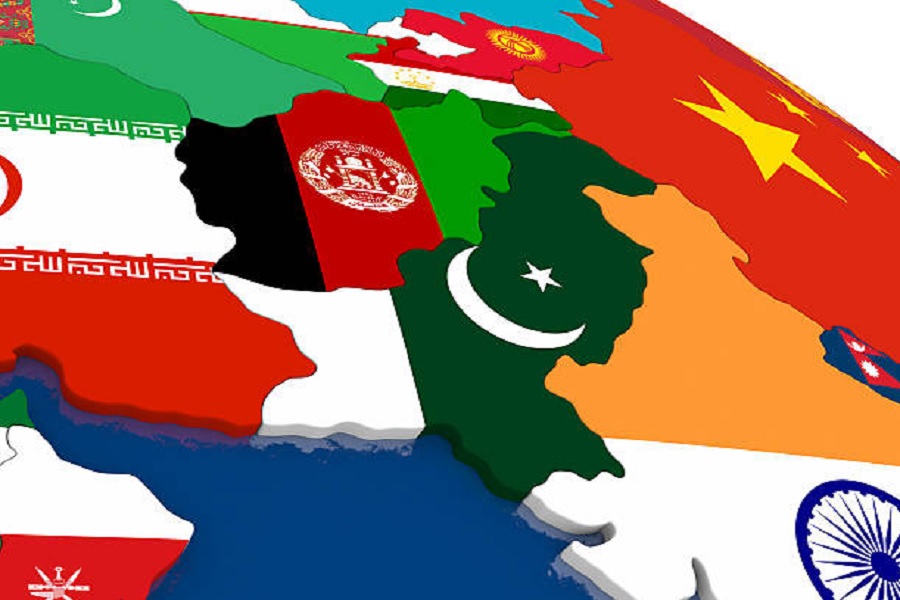
Pakistan is located at the crossroads of South Asia, the Middle East, and Central Asia. It shares borders with China, India, Afghanistan, and Iran, while its access to the Arabian Sea gives it a key maritime position.
This geographic location makes Pakistan important in world politics, but it also makes it vulnerable to the effects of global polarization.
Political Impact of Global Polarity on Pakistan
-
The Challenge of Balance in Foreign Policy
Pakistan has to strike a balance between the United States and China. China is Pakistan’s close friend and CPEC partner, while the United States has influence in the global economy and international financial institutions.
-
Internal Political Division
Global ideological trends also affect Pakistan’s internal politics. Different political parties have different positions on relations with external powers, which increases political polarization.
-
Diplomatic pressure
Pakistan often faces pressure from global powers, especially on issues of Afghanistan, terrorism, and human rights.
Economic impacts
-
CPEC and relations with China
Close relations with China are important for Pakistan’s economy. Energy and infrastructure projects under CPEC can be helpful in Pakistan’s development. But it also comes with a debt burden and Western support.
-
International Financial Institutions
Pakistan often has to borrow from the IMF and the World Bank. These institutions are mostly under Western influence, which sometimes forces Pakistan to accept external conditions in its economic policies.
-
Trade Challenges
Global trade wars and sanctions also affect Pakistan’s exports. Rising global energy prices create difficulties for an importing country like Pakistan.
Security and Defense Implications
-
Relations with India
India is moving closer to the United States, while China is Pakistan’s ally. This regional polarity is affecting the balance of power in South Asia.
-
Situation in Afghanistan
Instability in Afghanistan directly affects Pakistan’s security. The intervention of world powers in Afghanistan has affected Pakistan for decades.
-
Terrorism and Extremism
Global ideological divisions sometimes foster religious and political extremism, which has a greater impact on countries like Pakistan.
Social and Ideological Impacts
-
Role of Social Media
Global ideologies and propaganda spread rapidly through social media in Pakistan, which can increase social divisions.
-
Impact on Youth
A large portion of Pakistan’s population is young. Global ideologies influence their thinking, political affiliations, and visions of the future.
Opportunities for Pakistan
Global polarization presents not only threats but also opportunities.
-
Balancing Policy
If Pakistan adopts a balanced foreign policy, it can benefit from maintaining relations with different powers.
-
Regional Connectivity
Pakistan can become a bridge connecting Central Asia, China, the Middle East, and South Asia.
-
Economic Reforms
Global competition can drive Pakistan toward internal reforms, such as industrial development, increased exports, and investment in technology.
Potential risks
- Becoming part of one bloc and incurring the displeasure of another
- Increasing economic dependence
- Internal political instability
- Increasing security threats
Conclusion
The world is being divided along ideological, economic, and military lines. The competition between the United States and China, tensions between Russia and the West, Pakistan and India, and other regional conflicts are deepening this division.
Pakistan, due to its geographical importance and strategic location, is directly affected by this global polarization. It must ensure balance in foreign policy, economic independence, and internal stability so that it can protect itself from the negative effects of global division and take advantage of opportunities.